
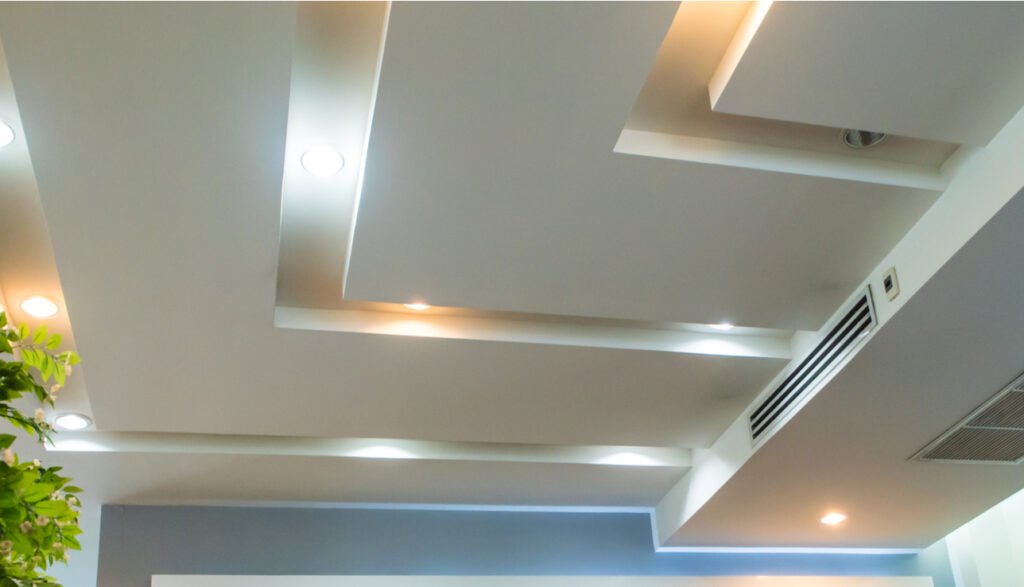
Types of False Ceiling: A Complete Guide for Singapore Homes and Offices
False ceilings have become a popular feature in modern interior design because they improve both the look and function of a space. Whether you are renovating an HDB flat, upgrading a condo, fitting out an office, or planning a landed home interior, choosing the right type of false ceiling can make a big difference.
Besides enhancing aesthetics, false ceilings can help conceal wiring, improve lighting design, reduce heat, and create a cleaner overall finish.
In this guide, we will explain the different types of false ceiling, their pros and cons, where each type works best, and how to choose the right option for your space in Singapore.
What Is a False Ceiling?
A false ceiling, also known as a suspended ceiling or dropped ceiling, is a secondary ceiling installed below the original structural ceiling. It is usually fixed onto a metal or wooden framework, leaving a gap between the main ceiling and the false ceiling surface.
This space can be used to hide:
electrical wiring
pipes
aircon ducting
beams
lighting fixtures
False ceilings are commonly used in both residential and commercial interiors because they combine design appeal with practical benefits.
Why Install a False Ceiling?
Many homeowners and business owners choose false ceilings for both style and functionality.
Main benefits include:
improving the overall interior appearance
concealing wiring and services
allowing recessed lights and cove lighting
improving thermal comfort
reducing noise in some cases
creating a more modern and polished space
Different materials and designs suit different budgets, property types, and room conditions.
Main Types of False Ceiling
There are several popular false ceiling materials used today. Each type has its own advantages, limitations, and ideal applications.
1. Gypsum False Ceiling
Gypsum false ceilings are one of the most common choices in Singapore homes. They are made using gypsum boards fixed onto a metal framework.
Advantages of gypsum false ceilings
smooth and seamless finish
lightweight
fire resistant
easy to paint
suitable for cove lighting and downlights
works well in modern interiors
Disadvantages of gypsum false ceilings
can be affected by water leaks
may crack over time if workmanship is poor
not ideal for areas with repeated moisture exposure unless properly treated
Best for
living rooms
bedrooms
dining areas
offices
general indoor spaces
Gypsum is often considered the most practical all-round option because it balances appearance, versatility, and cost.
2. Plaster of Paris (POP) False Ceiling
Plaster of Paris, often called POP ceiling, is another popular false ceiling type. It is made by mixing POP with water and applying or moulding it into the desired ceiling design.
Advantages of POP false ceilings
can be shaped into curves and decorative forms
provides a smooth finish
suitable for custom detailing
allows creative ceiling patterns
Disadvantages of POP false ceilings
requires skilled workmanship
installation can be more labour-intensive
takes more time to complete
repairs may be more difficult if cracks occur
Best for
decorative living rooms
entrance foyers
feature ceilings
premium residential interiors
POP is ideal for homeowners who want more design freedom and a more artistic ceiling finish.
3. PVC False Ceiling
PVC false ceilings are made from polyvinyl chloride panels. They are lightweight, water resistant, and easy to install.
Advantages of PVC false ceilings
water resistant
termite resistant
low maintenance
lightweight
easy to clean
quick installation
Disadvantages of PVC false ceilings
may look less premium than gypsum or wood
fewer high-end design options
can look more functional than luxurious
Best for
kitchens
bathrooms
service areas
balconies
utility spaces
PVC is often chosen for areas where moisture resistance matters more than a luxury appearance.
4. Wooden False Ceiling
Wooden false ceilings use timber panels, veneers, or wood-finish materials to create a warm and premium look.
Advantages of wooden false ceilings
rich and elegant appearance
natural warmth
timeless appeal
suitable for luxury interiors
good for feature spaces
Disadvantages of wooden false ceilings
more expensive
requires more maintenance
can be affected by humidity if poor materials are used
may need termite protection
Best for
living rooms
bedrooms
dining rooms
landed homes
feature ceilings in premium interiors
Wooden ceilings are ideal when aesthetics are the main priority and the budget allows for a more premium finish.
5. Metal False Ceiling
Metal false ceilings are made from aluminium, steel, or galvanised iron panels. They are commonly used in commercial spaces and modern industrial-style interiors.
Advantages of metal false ceilings
highly durable
moisture resistant
fire resistant
easy to clean
modern appearance
good for accessible panel systems
Disadvantages of metal false ceilings
can feel too industrial for some homes
may cost more depending on finish
not always the best for warm residential aesthetics
Best for
offices
retail spaces
commercial units
kitchens
industrial-style interiors
Metal ceilings are a strong choice where durability, maintenance, and access are important.
6. Mineral Fibre False Ceiling
Mineral fibre false ceilings are commonly used in offices and commercial buildings. They are usually installed in grid systems with removable tiles.
Advantages of mineral fibre ceilings
good sound absorption
decent thermal insulation
fire resistant
cost effective for large spaces
easy access to services above ceiling
Disadvantages of mineral fibre ceilings
less suitable for luxury residential interiors
can be brittle
appearance is more functional than decorative
Best for
offices
classrooms
meeting rooms
commercial units
spaces needing acoustic performance
Mineral fibre ceilings are often chosen when practicality and acoustics matter more than visual luxury.
7. Glass False Ceiling
Glass false ceilings are less common but can create a striking visual effect. Frosted, stained, or designed glass panels may be used for decorative purposes.
Advantages of glass false ceilings
unique and modern look
reflects light beautifully
can make spaces feel more premium
works well as a design feature
Disadvantages of glass false ceilings
expensive
requires careful design and installation
not suitable for every room
maintenance and cleaning need more attention
Best for
feature areas
luxury interiors
commercial lobbies
high-end design projects
Glass ceilings are more of a statement feature than a standard ceiling solution.
Types of False Ceiling by Design
Besides material type, false ceilings can also be classified by design style. This is especially useful for homeowners deciding how the ceiling should look in their room.
1. Full False Ceiling
A full false ceiling covers the entire ceiling area of the room. It creates a uniform and clean appearance.
Best for
bedrooms
living rooms
offices
meeting rooms
This is a common choice when homeowners want a fully finished look with concealed lighting.
2. Peripheral False Ceiling
A peripheral false ceiling is installed only around the edges of the room, leaving the centre area open.
Advantages
more cost-effective than a full ceiling
ideal for cove lighting
does not reduce as much ceiling height visually
Best for
living rooms
bedrooms
dining spaces
Peripheral ceilings are very popular in Singapore because they provide a modern look without making the room feel too low.
3. Island False Ceiling
An island ceiling is a suspended design installed over one part of a room rather than across the whole ceiling.
Best for
dining tables
living room focal points
bed areas
reception spaces
This design creates a feature area and is often used in modern interior concepts.
4. L-Box Ceiling
An L-box ceiling is one of the most common false ceiling styles in Singapore. It is used to create a boxed edge where lighting can be installed.
Advantages
ideal for LED strip lighting
clean and modern appearance
cost-effective compared to more complex designs
very popular for HDB and condo renovations
Best for
living rooms
bedrooms
dining areas
L-box ceilings are often chosen because they offer a strong visual upgrade without excessive cost.
5. Cove Lighting False Ceiling
This type of ceiling includes recessed ledges or channels to conceal light sources and create indirect lighting.
Advantages
softer lighting effect
elegant ambience
popular in modern homes
works well with gypsum ceilings
Best for
living rooms
master bedrooms
feature walls
premium residential spaces
Cove lighting is more of a design application than a material type, but it is often part of false ceiling planning.
How to Choose the Right Type of False Ceiling
The best type of false ceiling depends on your space, budget, and purpose.
Here are the main factors to consider.
1. Room function
Different rooms have different requirements.
Living room: gypsum, POP, wood, or cove design
Bedroom: gypsum or simple peripheral ceiling
Kitchen: PVC or moisture-resistant options
Bathroom: PVC is often more suitable
Office: mineral fibre or metal ceiling
Commercial units: metal, mineral fibre, or gypsum depending on use
2. Budget
Some ceiling materials are far more affordable than others.
Generally:
gypsum and PVC are more budget friendly
wood and glass are more premium
POP may cost more if design complexity is high
3. Moisture exposure
In Singapore’s humid environment, moisture resistance is important.
For wet or humid areas:
PVC is a safer choice
metal can also perform well
standard gypsum needs more care if water leaks are possible
4. Design preference
If you want:
a clean modern finish → gypsum
decorative custom design → POP
warm luxury feel → wood
practical moisture resistance → PVC
commercial durability → metal or mineral fibre
5. Ceiling height
False ceilings reduce headroom. In smaller rooms or lower-ceiling homes, a simpler or more minimal design may be better.
Which False Ceiling Type Is Best?
There is no single best false ceiling for every project. The right choice depends on your priorities.
Best all-round option
Gypsum false ceiling
Best for most homes because it offers a smooth finish, flexibility, and modern appearance.
Best for wet areas
PVC false ceiling
Best for bathrooms, kitchens, and service areas.
Best for premium luxury interiors
Wooden false ceiling
Best for creating a warm and upscale feel.
Best for decorative designs
POP false ceiling
Best for custom shapes, curves, and detailed ceiling patterns.
Best for commercial spaces
Metal or mineral fibre ceiling
Best for offices, shops, and functional spaces.
Common False Ceiling Problems to Consider
No matter which type you choose, poor installation can cause issues later.
Common problems include:
cracks
sagging
water stains
peeling paint
uneven finish
mould from leaks
lighting access difficulties
That is why choosing the right contractor and material is just as important as choosing the design itself.
FAQs About Types of False Ceiling
What are the most common types of false ceiling?
The most common types are gypsum, POP, PVC, wood, metal, mineral fibre, and glass false ceilings.
Which false ceiling is best for Singapore homes?
Gypsum is usually the most popular choice for living rooms and bedrooms, while PVC is better for wet areas like bathrooms and kitchens.
Which false ceiling is better: gypsum or POP?
Gypsum is usually better for faster installation and a cleaner modern finish. POP is better for custom shapes and decorative designs.
Is wooden false ceiling suitable for Singapore?
Yes, but it should be installed using suitable materials and proper treatment because Singapore’s humidity can affect wood over time.
Which false ceiling is most affordable?
PVC and gypsum are generally among the more affordable options, depending on design and installation scope.
Which false ceiling is best for offices?
Mineral fibre and metal ceilings are often preferred for offices because they are practical, durable, and easy to maintain.
Conclusion
Choosing the right false ceiling can improve your space in many ways, from better lighting and cleaner lines to improved comfort and overall design value. There are many different types of false ceiling, and each has its own strengths.
For most Singapore homes, gypsum false ceilings remain the most versatile and popular choice. For wet areas, PVC ceilings are often more practical. For premium interiors, wood and POP ceilings can create a stronger visual impact. Commercial spaces may benefit more from metal or mineral fibre ceilings.
Before deciding, it is always a good idea to consider your budget, room type, moisture exposure, and design goals. With the right material and proper workmanship, a false ceiling can become one of the most valuable upgrades in your renovation.